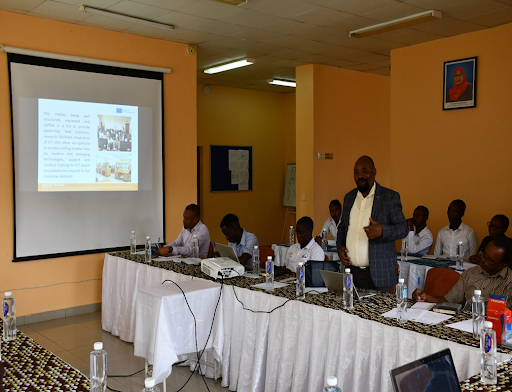
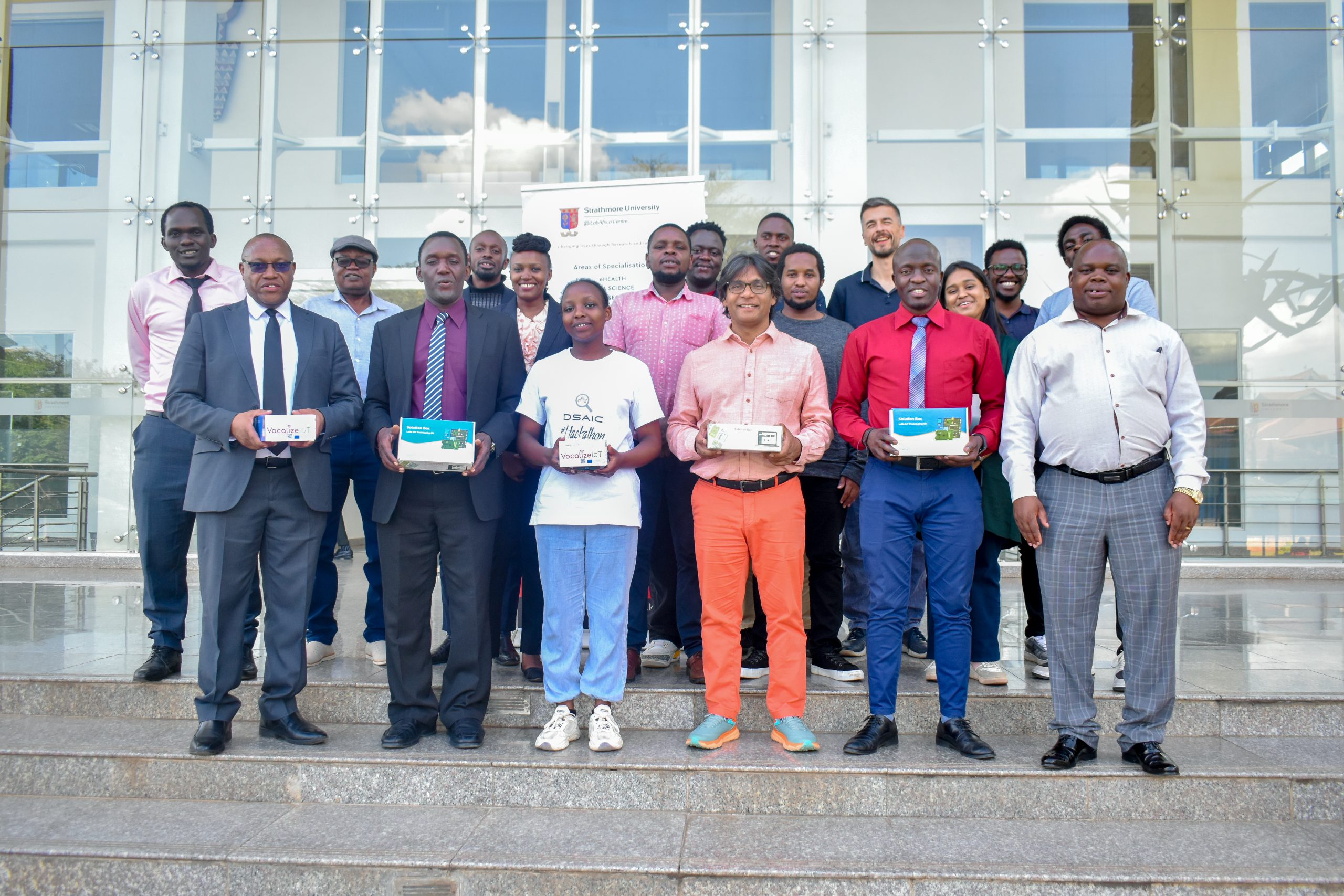
The VocalizeIoT consortium recently participated in the VET4HYDROGEN stakeholder engagement, an initiative focused on strengthening Kenya’s green hydrogen value chain through Technical and Vocational Education and Training (TVET). The event brought together industry representatives, TVET institutions, government agencies, and development partners to discuss how vocational education can better respond to the workforce needs of emerging industries.
As a project dedicated to strengthening IoT capacity in TVET institutions across Kenya and Tanzania, VocalizeIoT values opportunities to exchange knowledge with complementary initiatives that are advancing future-oriented skills development. The engagement provided valuable insights into approaches that can support curriculum development, industry collaboration, and workforce readiness.
Aligning Training with Industry Needs
One of the key discussions centered on the importance of ensuring that TVET curricula are closely aligned with labor market requirements. The VET4HYDROGEN project has reviewed and updated five TVET curricula by integrating green hydrogen concepts, ensuring that learners acquire skills relevant to the emerging sector.
The project also emphasized identifying the specific competencies required across the green hydrogen value chain. These include both technical roles involved in hydrogen production, storage, and distribution, as well as end-user applications. Mapping these occupations helps ensure that graduates are equipped with practical skills that directly correspond to industry demand.
For VocalizeIoT, this reinforces the importance of designing training programmes that are informed by employers, industry experts, and evolving technological trends.
Collaboration with TVET-CDACC
Another important takeaway was the project’s close collaboration with TVET-CDACC throughout the curriculum review and development process. Working alongside the national curriculum authority helps ensure that newly developed programmes meet national quality standards while remaining responsive to emerging technologies.
This collaborative approach highlights the value of engaging regulatory bodies early in curriculum development, creating pathways for wider adoption and sustainability.
Centres of Excellence for Capacity Building
The workshop also showcased the establishment of Centres of Excellence, with Eastlands College of Technology serving as a training hub for instructors from participating TVET institutions. Through this model, trainers receive specialized knowledge before cascading it to learners within their respective institutions.
This approach demonstrates how investing in trainer capacity can accelerate the adoption of new technologies across the vocational education sector.
Strategic Selection of Participating TVETs
An interesting aspect of the project is its implementation strategy. Rather than applying the programme uniformly across all institutions, VET4HYDROGEN is piloting activities with 20 TVET institutions selected based on their readiness, interest, and geographical relevance to the hydrogen ecosystem.
Project representatives noted that regional suitability is an important consideration, since not every location has immediate opportunities within the green hydrogen value chain. By mapping TVET institutions located near existing or planned hydrogen-related industries, the project aims to maximize impact while strengthening connections between training providers and employers.
This strategic approach offers valuable lessons on ensuring that skills development initiatives remain closely linked to local economic opportunities.
Strengthening Future Skills Through Collaboration
The discussions reaffirmed that preparing learners for emerging industries requires strong collaboration between government, industry, and training institutions. Curriculum development, labor market analysis, trainer capacity building, and industry partnerships all play a critical role in ensuring that graduates possess relevant, future-ready skills.
For VocalizeIoT, these insights align closely with our mission of strengthening digital innovation within TVET institutions through Internet of Things (IoT) education and practical, industry-driven learning.
As the demand for skills in emerging sectors such as IoT, green hydrogen, artificial intelligence, and smart manufacturing continues to grow, collaboration between projects and stakeholders will be essential in building a workforce that is innovative, adaptable, and prepared for the industries of tomorrow.
VocalizeIoT looks forward to continued engagement with partners across the TVET ecosystem as we work together to strengthen technical education and create greater opportunities for youth across Africa.