

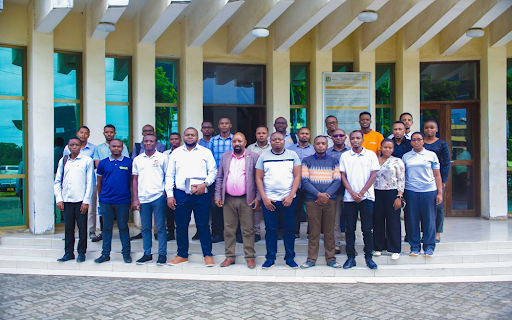
On June 26th, 2024, the Vocalize IoT workshop brought together key stakeholders from various sectors to deliberate on the integration of IoT training into Tanzania’s Vocational Education and Training Authority (VETA) curriculum. Held at COSTECH Sayansi Kijitonyama, this pivotal workshop aimed to align IoT training with the evolving demands of the job market and to prepare students for the rapidly advancing technological landscape.
Workshop Agenda
The workshop commenced with opening remarks from Dr. Amos Nungu, Director General of COSTECH, and set the stage for a comprehensive discussion on the role of IoT in vocational education. Presentations explored current IoT trends, followed by breakout group discussions where stakeholders analyzed IoT’s impact in key sectors and shared practical recommendations for curriculum development and industry collaboration. The session closed with a summary of group findings and outlined the next steps for implementing these insights into the Vocalize IoT program.
Key sessions included:
- Opening Remarks and Workshop Objectives
- Presentations on IoT Trends and Industry Needs
- Group Discussions on Curriculum Development, Agriculture, the Fourth Industrial Revolution, and Industry Collaboration
- Presentation of Group Findings
- Closing Remarks and Next Steps
Group Insights and Recommendations
Group 1: Curriculum Development and Stakeholder Involvement Group 1 emphasized the importance of stakeholder engagement in the IoT curriculum development process to ensure industry relevance. The group recommended extending the course duration to at least two months and focusing initially on sectors with immediate IoT application potential, with a particular emphasis on making IoT education accessible to women.
Group 2: IoT Demand in Agriculture and Policy Recommendations As one of Tanzania’s leading sectors, agriculture was identified as a primary candidate for IoT adoption. Group 2 recommended subsidizing IoT training costs, encouraging policy frameworks to support IoT innovations, and promoting early education in IoT to build foundational skills. The group also advocated for post-training support through makers hubs and intellectual property training.
Group 3: IoT Training in the Fourth Industrial Revolution Group 3 highlighted the significance of IoT training in the Fourth Industrial Revolution, particularly for increasing operational efficiency and reducing costs. They recommended raising community awareness about IoT, advocating for tax reductions on IoT equipment, and integrating time management skills into IoT training modules.
Group 4: Practical Training and Industry Collaboration Focused on professionals already working in the field, Group 4 stressed the importance of practical over theoretical training, recommending shorter, intensive sessions for those with prior knowledge. The group also called for integrating emerging technologies like robotics and AI into the curriculum, and for establishing more direct industry interaction for hands-on training and placements.
Materials and Photos
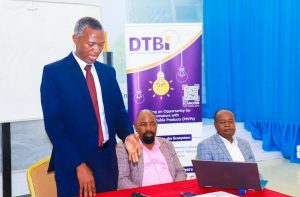
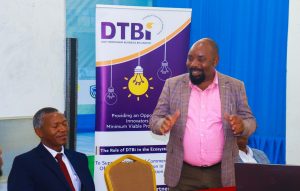
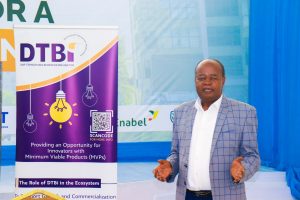
Workshop participants received printed program agendas and presentation slides that outlined IoT adoption trends, industry needs, and educational strategies. The day’s events were captured through photos, showcasing collaborative group discussions, presentations, and Q&A sessions that fostered an engaging learning environment.



Conclusion and Next Steps
The workshop gathered invaluable input from diverse stakeholders, which will play a crucial role in refining the Vocalize IoT program. By incorporating recommendations from the workshop, the program will ensure that its curriculum is aligned with local market demands, empowering students with the skills necessary to excel in the IoT field.
This workshop marks a significant step forward in developing an innovative, industry-aligned IoT curriculum that will equip Tanzania’s vocational learners with the tools they need to thrive in the evolving global economy.